


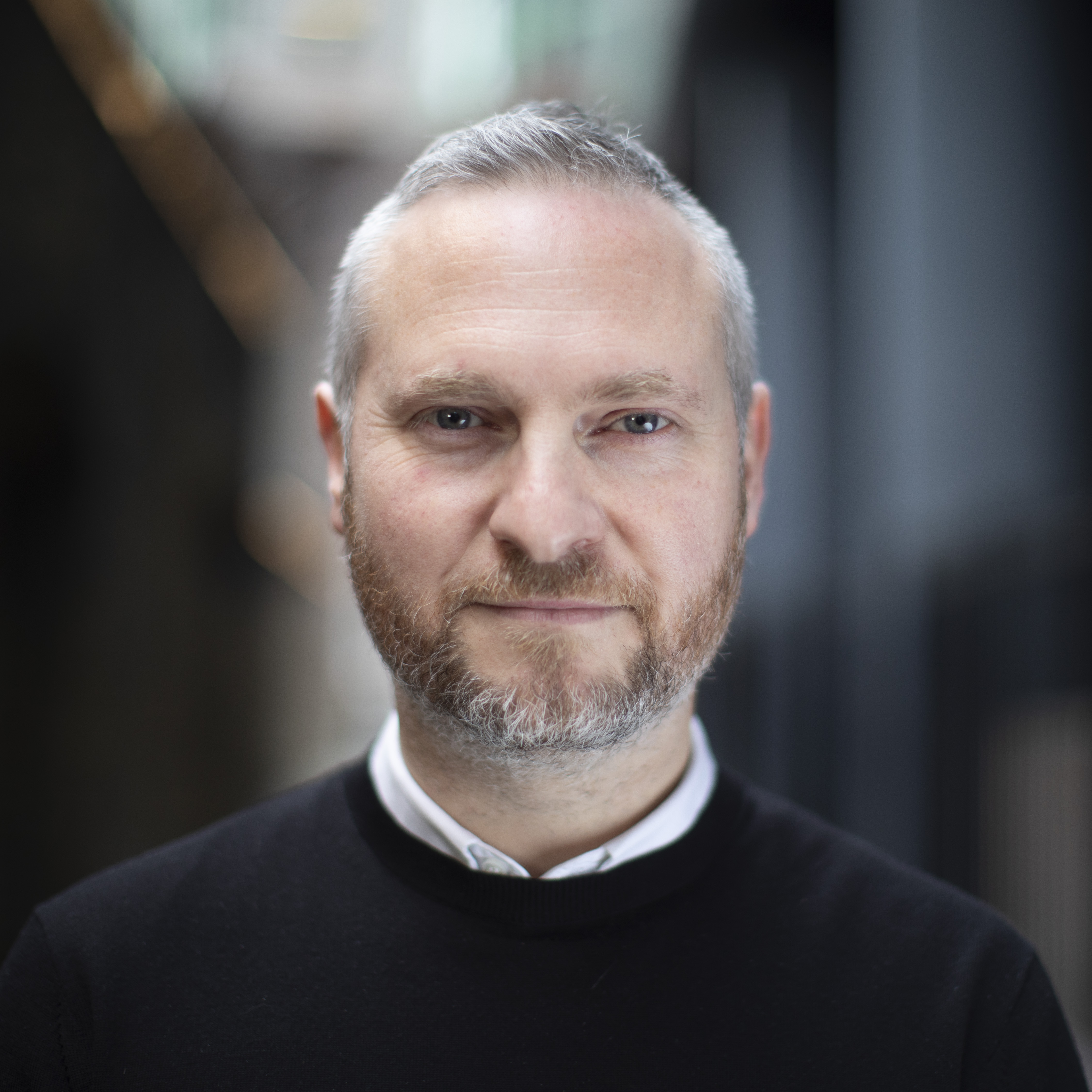
Today, we’d like to introduce you to Dr John Blaikley at the University of Manchester and his cutting-edge research into how the body’s internal clock influences our respiratory health.
Dr John and his team are investigating how circadian rhythms (the body’s internal clock) can influence pulmonary fibrosis, including the most common type termed Idiopathic Pulmonary Fibrosis (IPF).
What is Idiopathic Pulmonary Fibrosis (IPF)?
IPF is a chronic condition where the lungs become scarred, and breathing becomes increasingly difficult. At the time of writing, only two licensed drugs exist for this condition. These drugs can slow down the progression, but cannot reverse the fibrosis.
Currently, the team’s research aims to understand how the body clock and sleep interact with lung biology. Understanding this could lead to new treatments which slow, prevent or alter how IPF progresses.
Why circadian rhythms?
Disrupted sleep could be both a cause and a consequence of IPF – and this concept is central to the work conducted by Dr Blaikley and his team.
“Circadian rhythms affect almost every organ, including the lungs“, explains Dr Blaikley. “It is already known that patients living with IPF often report poor sleep, pointing to a disruption in their circadian rhythm. And poor sleep can lead to poor quality of life.”
“Our previous studies show that if you’re sleeping for too long or not sleeping enough, you may have a higher risk of developing pulmonary fibrosis”, continues Dr Blaikley. “Now, we’re working to understand whether disrupted sleep contributes to disease progression, and how disease progression also affects sleep.”


This research means we could find new treatments or ways of managing sleep and IPF – allowing people to live well, and for longer.
Building up to a breakthrough.
Thanks to funding from Asthma + Lung UK, Dr Blaikley’s project has been able to take the next step forward.
Now, Dr Blaikley’s team are transitioning from lab-based studies on circadian rhythms to direct, patient-based research.
For the first time, Dr Blaikley’s team has been able to study people living with pulmonary fibrosis directly, with data being collected from participating patients in Manchester.
“We’re tracking the sleep patterns of the patients”, explains Dr Blaikley, “with some participants wearing devices that allow us to track their movement throughout the day, too.”
These exciting new studies will come together to form a reliable, accurate method of analysing our circadian rhythms. Further clinical studies will help Dr Blaikley’s team understand the specifics around how circadian rhythms are affected by or affect the progression of IPF.
Incredible research – only possible thanks to you
Not only does Dr Blaikley’s research inspire hope in how we can understand IPF in the near future – it has implications for how we can identify and manage IPF in the years ahead, too.
“With continued support from organisations like Asthma + Lung UK, there is real optimism that more effective treatments are coming and that the landscape for people living with IPF will change for the better”, he explains.
“In the long term, this work could open up entirely new approaches to treatment and also improve symptom management for people living with IPF”, says Dr Blaikley. “The benefits could also be seen for people living with other respiratory conditions such COPD and long COVID.”
"I’d just like to say thank you to the Asthma + Lung UK supporters reading this”, continues Dr Blaikley. “This is a fast-moving and exciting area of lung research. And without you, this research wouldn’t be possible.”
You may also like

Timing it right - how does your body clock affect your asthma?

What’s the link between bacteria and IPF and how can it unlock new treatments?
